The Basic Needs
Finding Common Ground, or Close Enough.

One thing I have learned from a year of advocating for responsible pet ownership education is that it’s hard to get a consensus on even the most basic advice. Not only are there huge cultural and geographic variations in practices, but even within my local animal rescue community, opinions vary widely. Is it OK for a dog to stay out 24/7, even on a good day? What about on a not-so-good day? If those of us who pour our efforts into helping animals and advocating for their welfare can’t agree, how does this bode for large-scale attempts to educate students across a heterogeneous nation?
Let’s take the topic of shelter, since it’s one of the “big three” necessities (i.e., food, water, and shelter). I grew up in suburban Philadelphia, where the prevailing culture is that dogs live indoors. However, I’ve spent the last 25 years of my life in Tennessee. In fact, I’ve lived in the South longer than my time in Pennsylvania, and yes, there are outdoor dogs in Tennessee, and quite a few of them! This is not just a Southern phenomenon, although it is common in the South, partly because the winters are mild, and partly due to the agrarian heritage. Livestock guardian dogs are working dogs on many farms, not just in the South but in the West, as well.
We’re a diverse country with different views.
Where is the common ground when it comes to the adequacy of outdoor shelter? Every animal should be afforded adequate protection from the elements. No animal should have its well-being placed in jeopardy. There’s a lot of geographic variability in the inherent exposure risks, so advice is not going to be one-size-fits-all. For instance, this year, I learned that dogs are more likely to suffer and die in extreme heat rather than in extreme cold. In southern Florida, for example, dogs cannot stay outside all day. It’s unsafe, and that’s non-negotiable.
The cold weather is more complicated, as it depends on a dog’s breed, age, size, fur, and their level of adaptation to the climate. You might find it interesting to know that many dogs in Alaska live outside year-round, yet they are breeds that are well-suited to those conditions! There are also varying degrees of regional acceptance. I spoke to an organization in New Hampshire that was adamant that dogs could not tolerate staying outdoors in winter in New England. However, another reputable organization from Nebraska was OK with outdoor dogs, provided they had a quality shelter that met their standards.
Give them actionable advice, not controversial opinions.
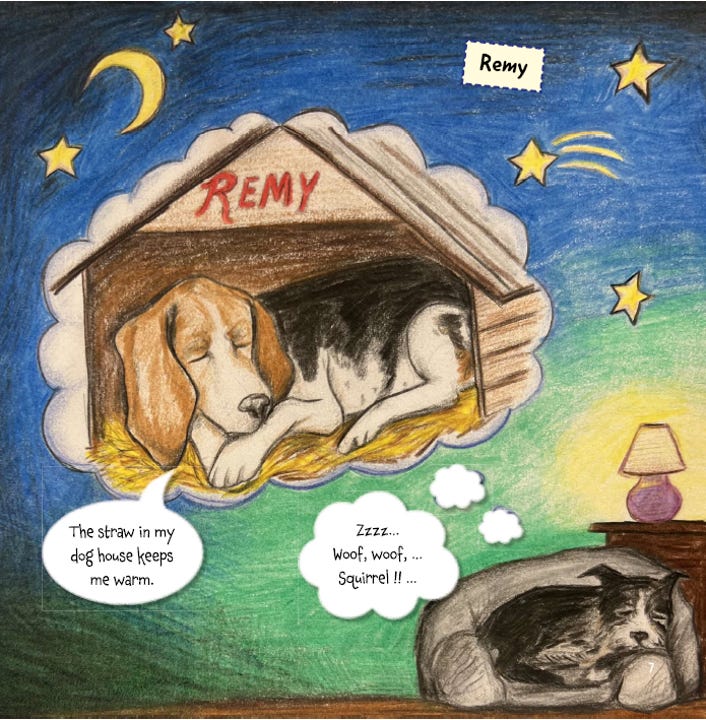
Recognizing these different cultural norms gives us a better understanding of the starting point. In our discussions with students, we talk about making conditions livable and comfortable. If your dog sleeps outdoors in the cold weather, they need a quality doghouse that is filled halfway with straw. Many people think hay is the equivalent, and it is not. Straw repels moisture, and its hollow structure helps trap warm air. Furthermore, you need to use an adequate amount of straw so that a dog can nestle inside for warmth. Blankets do not make good bedding because they get wet, freeze, and won’t offer warmth. Elevating the doghouse off the ground and having wind barriers also really helps.
Other teaching points we consider: If your dog is very young, very old, nursing, or has short fur, they need to come indoors as temperatures drop. In extreme temperatures, bring dogs inside at least into a garage. Fresh water must be available at all times. Dogs cannot drink ice. I am delighted when students report that they have a heated shed for their dog. Others offer that they bring their dogs in at night. These revelations can be motivational for their classmates to do the same, especially when they hear it from their peers.
Frankly, it’s fruitless to insist that all dogs should live indoors, especially in a community where many dogs seem to do fine with good outdoor provisions. I would only lose credibility and miss out on important teaching points. By the end of our discussion, students know to load up a doghouse with straw rather than hay. They’ll monitor the water situation. And it may occur to them to bring their dogs inside when the weather is severe. Kids can share this information with family members. That’s a win for everyone, especially the animals.
Speaking to students is a privilege.
It’s a huge leap of faith for a school administrator to take a chance on an unknown visitor and grant access to a captive and impressionable audience. When speaking at schools, my goal is not to invade their turf and propose a radically different way of life. My goal is to provide information so that their community becomes more knowledgeable and pets have better lives.
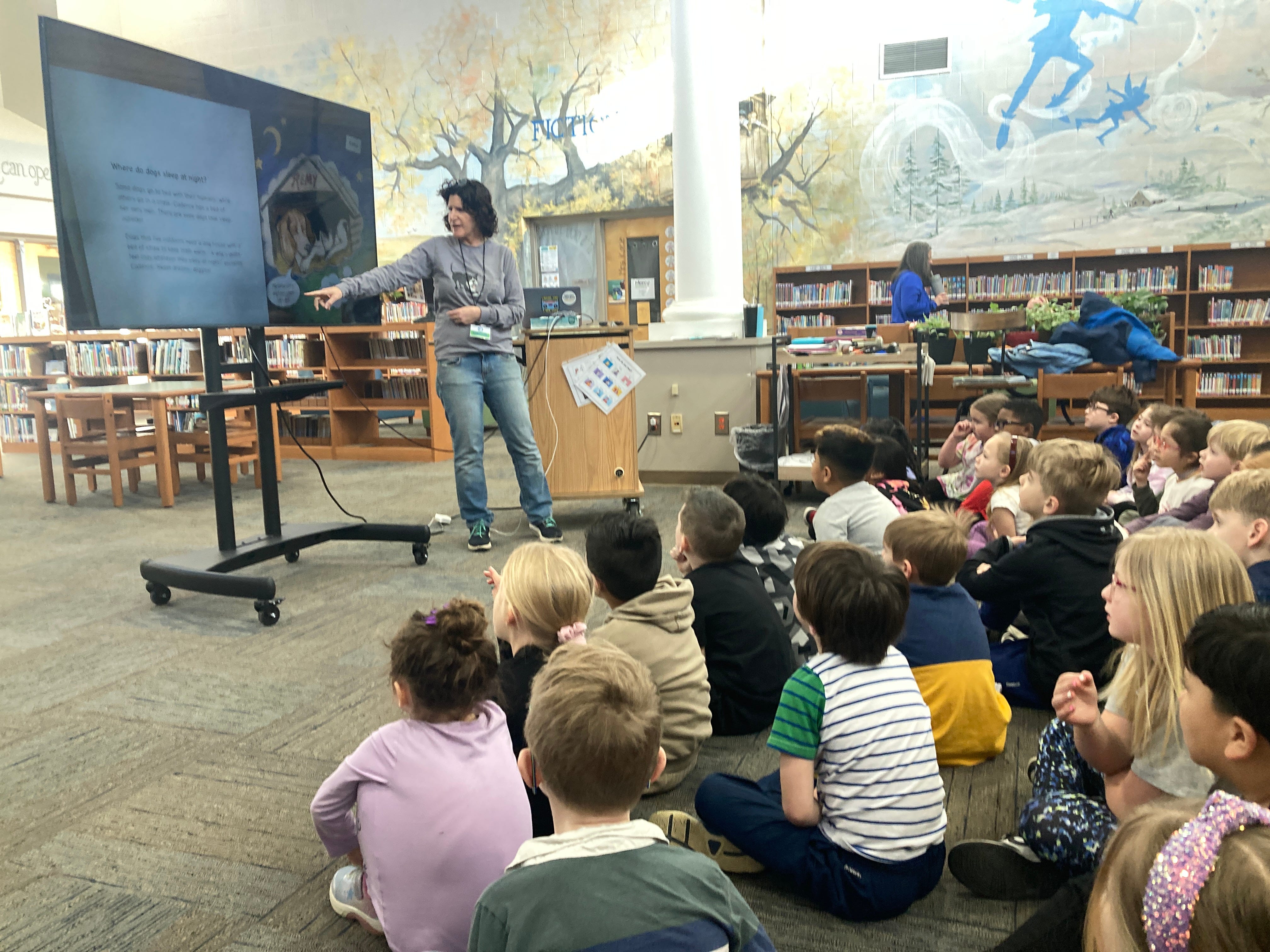
Change does not mean everyone has to do things the way you do. We’re not a one-size-fits-all country, and even within towns, opinions vary. But if we can find that common ground, where we all roughly agree on what is humane, then we can really make progress and set standards that can be embraced everywhere. When visiting schools, we want a reputation for nurturing discussion and positivity. We want neighboring schools to hear of the good work we do and extend an invitation to speak to their students. We want to be welcomed back for more.
What’s amazing is that children can process such critical information at an early age. Quite honestly, the advice we provide mirrors the adoption counseling that we give adults. I never want to sell children short in terms of what they can learn. Many students already have real-world experience to draw from, especially if they have grown up around animals or on a farm. Practical advice is actionable advice that can change outcomes for animals. Conscious of the fact that I may only have one opportunity to speak to them, covering the basics of food, water, and shelter is a good start to foundational responsible pet ownership, especially for our youngest audience. What do you emphasize when you talk to students?
Brilliant post Robin!